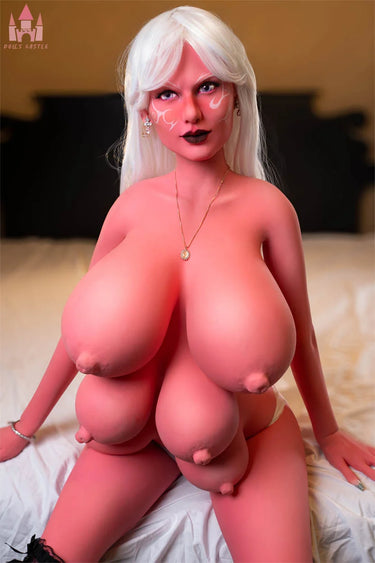
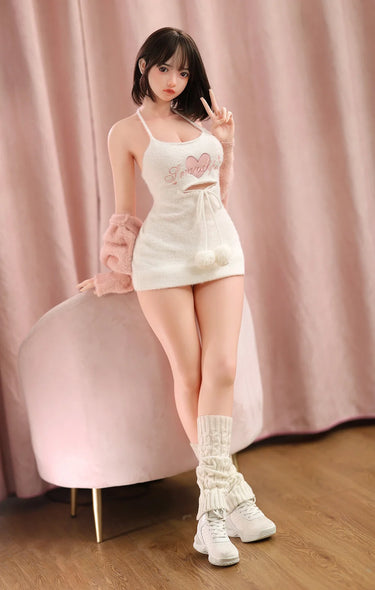
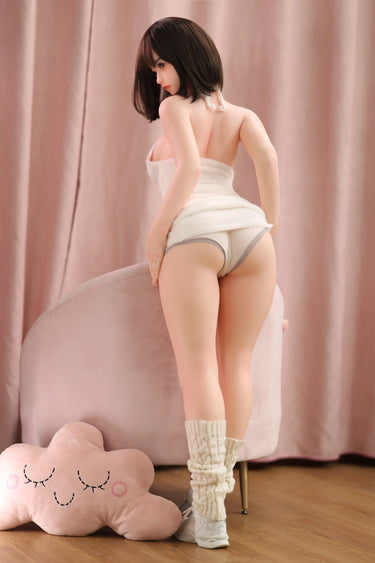
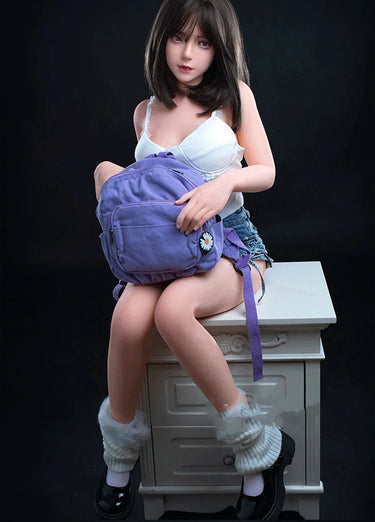
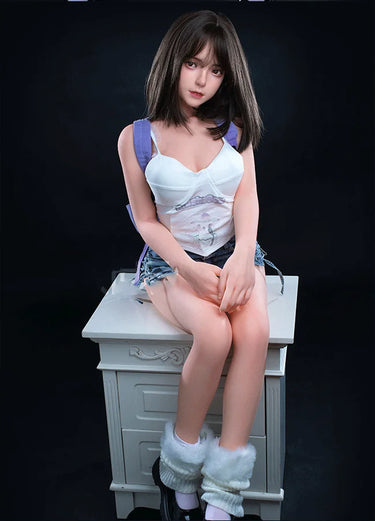
A TPE doll is a realistic doll made primarily from thermoplastic elastomer, commonly abbreviated as TPE. TPE is a soft, flexible material that combines some characteristics of rubber and plastic, making it well suited to realistic human-form dolls.
In realistic dolls, TPE is valued for its softness, elasticity, compressibility, and ability to create natural-looking body curves. It is commonly used for the torso, breasts, abdomen, hips, thighs, buttocks, arms, and legs.
Many buyers choose TPE dolls because the material can provide a softer and more yielding body feel than many traditional silicone formulations, while remaining relatively cost-effective.
2. Why Are TPE Dolls So Popular?
TPE dolls are popular because they offer a strong balance between softness, realism, flexibility, and affordability.
The material can create realistic body proportions and a soft-touch surface while still supporting a wide variety of body shapes, heights, and poses.
TPE dolls are also available across a broad price range, making them accessible to first-time buyers as well as experienced collectors.
For many customers, the main appeal of TPE is tactile realism. The body generally feels softer and more compressible than full silicone, particularly in areas such as the breasts, abdomen, hips, thighs, and buttocks.
3. What Is the Difference Between TPE Dolls and Silicone Dolls?
The main difference is the material and the way it affects softness, surface detail, maintenance, and price.
TPE is generally softer, more flexible, and more compressible. It often provides a more yielding body feel and is usually more affordable.
Silicone is typically firmer and can hold sharper sculpting, finer surface texture, and more detailed facial features. It is also generally less porous and often easier to clean and maintain.
Customers who prioritize softness and value may prefer TPE, while those who prioritize highly defined surface detail and lower material porosity may prefer silicone.
4. What Is the Difference Between TPE and S-TPE Dolls?
TPE is the traditional thermoplastic elastomer material widely used in realistic dolls, while S-TPE generally refers to an upgraded or modified TPE formulation.
S-TPE may be developed to improve characteristics such as softness, elasticity, shape recovery, tactile feel, surface texture, or resilience.
However, S-TPE is not a single standardized material. Different manufacturers may use the term for different proprietary formulations.
A standard TPE doll can still offer excellent softness and realism, while an S-TPE doll may provide a more refined or specialized material feel depending on the brand.
5. How Realistic Do TPE Dolls Feel?
TPE is known for providing a soft and flexible body feel that can closely simulate the compressibility of soft human tissue.
Areas such as the breasts, stomach, hips, thighs, and buttocks can feel particularly soft depending on the material formula and internal body structure.
The overall realism of a TPE doll also depends on sculpt quality, body proportions, skeleton design, breast construction, skin texture, hand and foot detail, facial design, hair, and makeup.
Material softness is therefore one important part of realism, but it should be considered together with the overall design of the doll.
6. Are TPE Dolls Durable?
TPE dolls can be durable when they are handled and maintained correctly, but the material requires proper care.
Because TPE is soft and flexible, it can be vulnerable to tearing, stretching, compression damage, staining, or surface wear if used incorrectly.
High-stress areas such as fingers, toes, underarms, elbows, knees, groin areas, and joint zones should be handled carefully.
Users should avoid pulling the material excessively, forcing joints beyond their natural range, dragging the doll over rough surfaces, or leaving heavy objects pressing against soft areas for long periods.
Proper cleaning, drying, storage, and joint handling can significantly extend the lifespan of a TPE doll.
7. Do TPE Dolls Have Oiliness or Odor?
Some TPE formulations may have a mild material odor or surface oiliness, especially when the doll is new.
This occurs because TPE often contains softening oils that help create its flexible and soft texture.
The intensity varies between manufacturers and material formulas. Higher-quality TPE materials may have lower odor and more controlled oil release.
Regular cleaning, proper drying, and appropriate surface maintenance can help keep the doll comfortable to handle.
Buyers who are particularly sensitive to material odor or surface oiliness should compare product specifications and manufacturer information before purchasing.
8. How Should a TPE Doll Be Cleaned and Maintained?
elastomer materials.
Avoid harsh detergents, solvents, alcohol-based products, strong chemicals, and abrasive cleaning tools, as these may damage the surface.
After cleaning, the doll should be dried thoroughly, especially around body folds, joints, fingers, toes, and other areas where moisture may remain.
Depending on the specific TPE formula, periodic surface care may be recommended to reduce tackiness and maintain a smooth skin feel.
The doll should be stored in a cool, dry place away from direct sunlight, high heat, sharp objects, strongly dyed fabrics, and prolonged compression.
9. Are TPE Dolls Heavy and Difficult to Move?
The weight of a TPE doll depends on its height, body dimensions, material volume, density, and internal skeleton.
Full-size TPE dolls can be relatively heavy because the soft body material surrounds a metal skeleton.
Shorter dolls, petite body shapes, slim models, torso dolls, and lightweight designs are generally easier to move and store.
Buyers who plan to frequently reposition, dress, photograph, or transport their doll should compare the listed product weight before purchasing.
Weight is one of the most important practical considerations when selecting a realistic TPE doll.
10. Who Should Choose a Realistic TPE Doll?
A realistic TPE doll is a strong choice for buyers who prioritize softness, flexibility, tactile realism, and value.
TPE is especially suitable for customers who prefer a softer body feel and do not necessarily require the firmer structure or highly defined surface detail associated with some full-silicone models.
TPE dolls can also be used by collectors, photographers, content creators, clothing and lingerie display users, artistic projects, and customers looking for realistic human-form models or companion dolls.
When comparing TPE dolls, buyers should consider body height, weight, softness, body proportions, skeleton system, breast structure, facial design, customization options, maintenance requirements, storage space, and overall budget.